Signals live apart
Wearables, sleep, cognition, workload, medical observations and self-reports sit in separate systems.
AI readiness intelligence for human spaceflight.A human-in-the-loop decision layer for the next mission-critical task.
Know whether this person is ready for this task, at this time, and why.
Iwona Fluda, Founder · Investor / R&D Funding Deck · 2026
Readiness changes hour by hour. High-stakes teams still assemble the answer manually from disconnected signals.
Wearables, sleep, cognition, workload, medical observations and self-reports sit in separate systems.
Generic norms hide personal baselines, physiological context and responses to extreme environments.
Dashboards explain what happened. They rarely forecast readiness for the next defined task and time window.
Flight surgeons and training leads reconcile competing signals under pressure, without a shared confidence layer.
The market has sensors and experts. It lacks the intelligence layer between them.
VITAORBIT combines consented physiological, cognitive and operational data into an explainable 24-hour readiness forecast.
Task-specific: readiness for a defined activity and operational window, not a generic wellness score.
Personalised: the model learns within-person change instead of relying only on population averages.
Explainable: authorised users see confidence, contributing signals, provenance and uncertainty.
Human-controlled: the astronaut, flight surgeon, mission commander or training lead retains final authority.
The technical challenge is also the moat: safe readiness forecasting from sparse, multimodal, task-linked data.
Connect consented physiology, cognition, self-report, workload and environmental context.
Learn baseline, variation, response patterns and uncertainty for each participant.
Estimate readiness for a defined task and time window; expose drivers and confidence.
Record the human decision, intervention and verified outcome; update the next forecast.
State, operational context, expert decision, intervention and outcome form a governed evidence loop that is difficult to reproduce.
Consent controls, role-based access, provenance, confidence scoring, audit logs and human escalation are built into the product architecture.
B2B feasibility pilots create the evidence and workflow integration required for recurring licences. Pricing is an initial hypothesis to validate, not booked revenue.
Six to twelve months of integrations, readiness workflows, expert review and prospective validation.
Governed cohort analytics, readiness engine, implementation, research reporting and support.
Athlete readiness, recovery and training-response application, scaled by cohort and modules.
The beachhead is narrow by design: institutional buyers already responsible for medicine, training and operations.
Sign two to three astronaut-training, analogue-mission or human-performance programmes with defined users and data rights.
Build with flight medicine, training and operational experts; embed privacy, confidence and escalation from day one.
Measure data completeness, calibration, actionability, expert usefulness, decision time and overrides.
Turn pilots into annual licences, then validate portability through a higher-frequency elite-athlete cohort.
Training providers, programme operators, analogue missions and space-medicine teams.
Flight surgeons, human-performance leads, mission commanders and trainers.
Teams, federations and high-performance centres with faster intervention and outcome cycles.
VITAORBIT does not compete by replacing existing sensors or experts. It connects them through a task-specific, explainable readiness layer.
The governed, task-linked evidence loop becomes the company.
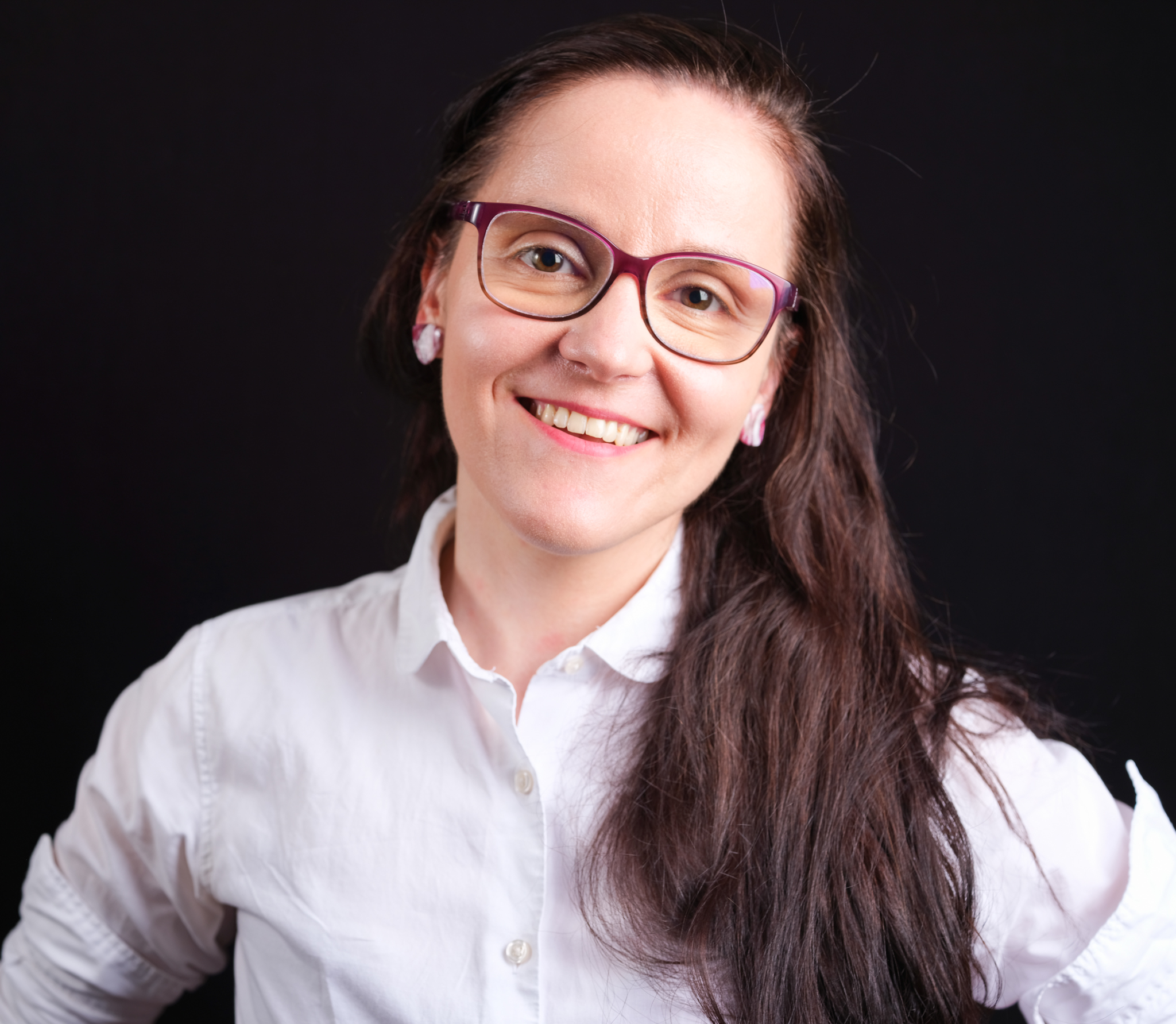
Award-winning serial entrepreneur and interdisciplinary venture builder working across AI, human spaceflight, ethics and international innovation.
The first 18 months are designed to convert technical feasibility, predictive value and expert usefulness into two paid pilots or equivalent commitments and a path to annual licensing.
Two pilots at the current £50k–£150k pricing hypothesis. Not booked revenue.
Targets will be finalised with operational, research and ethics partners before prospective testing. Forecast accuracy, calibration and false-ready metrics will be predefined in the protocol.
An 18-month, milestone-based programme to build, validate and convert the readiness engine, with human control and governance at every stage.
Timeline: 0–3 months protocol and partners; 3–6 months sandboxed MVP; 6–12 months primary pilot; 12–18 months athlete validation and contract conversion.
Astronauts first. Athletes second. Readiness intelligence for the most demanding environments.
Potential institutional relationships currently under discussion are not represented as signed partnerships.

Moonshot Celebration
Oxford, United Kingdom
Copyright © 2026
Made with love
in Europe for the Moon